Agricultural & Farming Water Filtration

Culligan Water of Brookings is the leading agriculture water treatment company for improving farm water quality in Brookings area since 1936.

Why farm water quality matters in Brookings area

On a farm, water isn’t just “water.” It’s an input that affects:
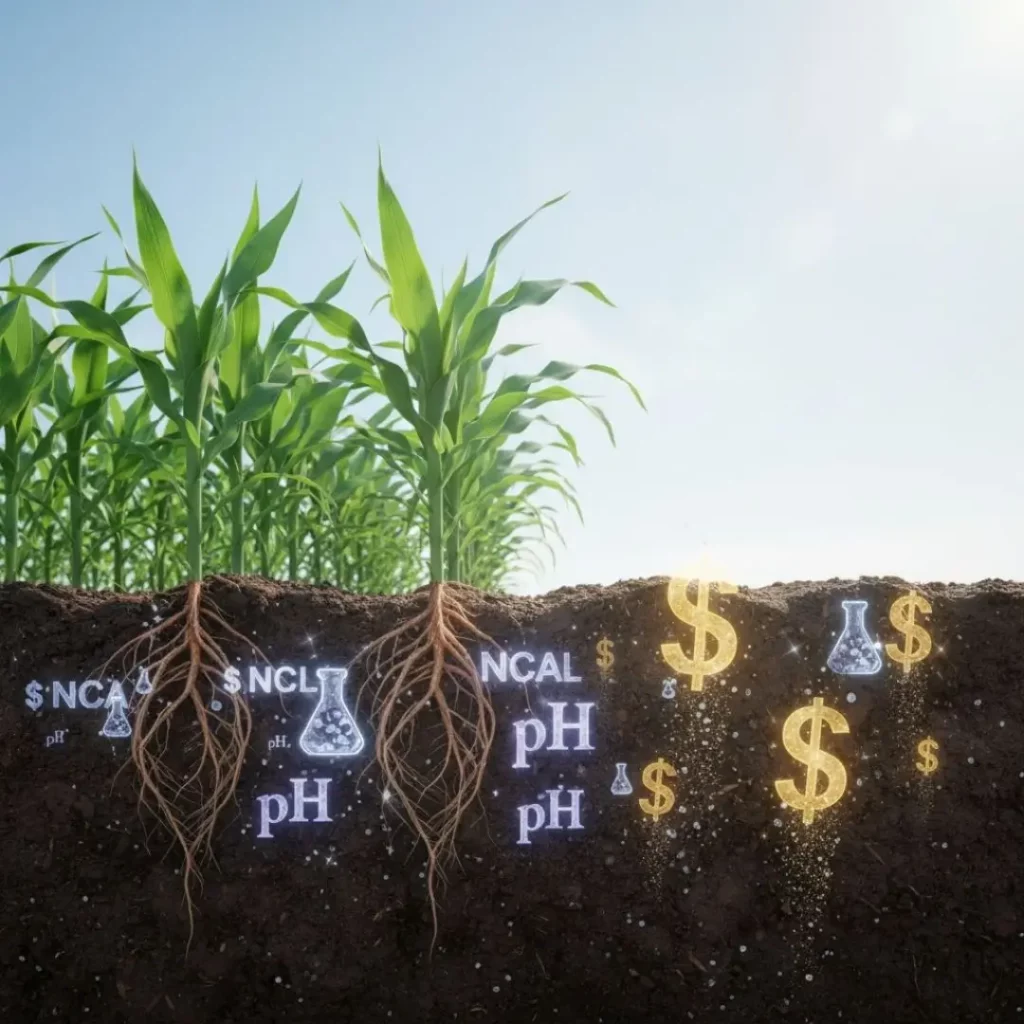
  • Crop health and yield (nutrient uptake, salt stress, leaf burn, root health)
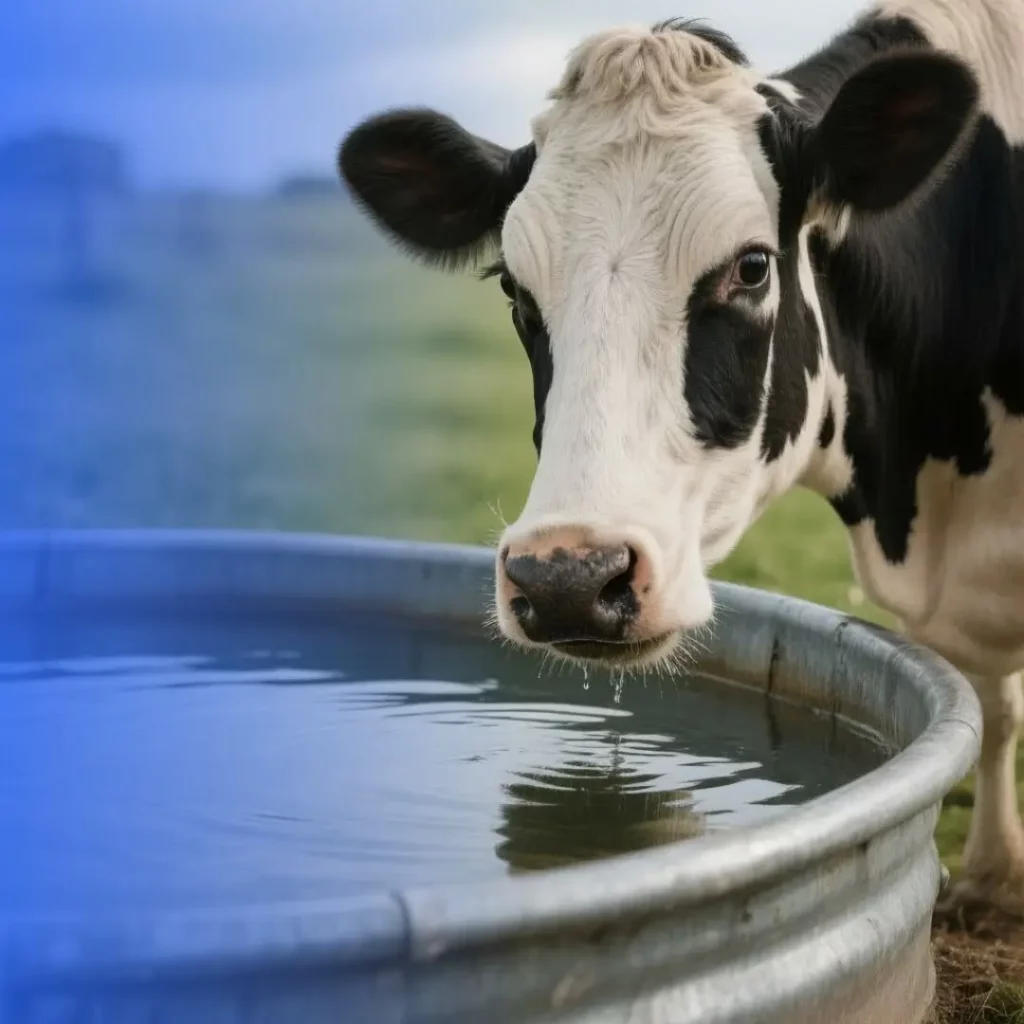
  • Livestock health and productivity (intake, digestion, reproduction, milk production)
  • Irrigation efficiency (clogging of nozzles/emitters, uneven coverage, downtime)
  • Pesticide and nutrient application performance (mix stability, spray effectiveness, re-application costs)
  • Equipment lifespan (scale, corrosion, sediment wear, plugged valves/lines)


How does Culligan Water of Brookings help farmers?

If your water has the wrong balance of minerals, salts, sediment, or problem contaminants, the impact shows up as slower plant growth, inconsistent irrigation, higher labor costs, and reduced animal performance.

Culligan Water of Brookings helps local farmers in Brookings area by:

1) Start with testing and a farm-use profile

We’ll measure what matters, such as:

  • pH and alkalinity (ties directly to nutrient availability and deficiencies)
  • Total dissolved solids (TDS) / soluble salts (salt stress, root injury, leaf burn)
  • Iron, sulfate, chloride, nitrates (common farm water problems for dairy and livestock)
  • Sediment and suspended solids (sand, soil, organic matter, algae)
  • Taste/odor contributors (which can reduce animal intake)
  • Any local/source-specific concerns (wells vs. municipal vs. surface water)

2) Reduce sediment before it becomes an irrigation problem

Sediment is one of the highest hidden costs on farms because it creates:

  • Clogged emitters and nozzles
  • Reduced flow and uneven watering
  • Valve wear and downtime
  • More labor for flushing, replacing, and troubleshooting

A strong system uses filtration as a first line of defense to reduce suspended solids like sand, soil, organic matter, algae, and weeds, helping irrigation stay consistent and predictable.

3) Improve livestock water palatability to support intake

Cows and other livestock respond to water quality much like people do: if it tastes or smells “off,” intake drops. Reduced intake can cascade into:

  • Dehydration risk
  • Lower feed intake
  • Productivity losses (including milk production impacts for dairy)

A farm-focused water treatment plan prioritizes taste/odor and nuisance minerals that can discourage drinking, while also targeting health-relevant contaminants found in agricultural water.

4) Address contaminants that affect reproduction and digestion

Some contaminants are especially important for livestock performance:

  • Nitrates can be associated with reproduction performance issues
  • Sulfate can contribute to diarrhea, dehydration, and fluid loss
  • Chloride and other salts can affect water acceptance and balance
  • Iron can create taste issues, staining, and downstream equipment headaches

The right treatment strategy is about reducing these to more acceptable levels for your operation, not chasing a one-size-fits-all solution.

5) Support better pesticide and nutrient application

Water quality has a direct effect on spray performance and cost control:

  • Poor-quality water can interfere with mixing and efficacy
  • Sediment and certain minerals can contribute to plugged screens/nozzles
  • If performance drops, you may be forced into re-application (more chemicals, time, and labor)

The “best” provider will help you build water consistency that supports more reliable applications and fewer avoidable reworks.

6) Offer reverse osmosis where it makes sense on farms

Reverse osmosis (RO) isn’t always needed for every farm use—but it can be a powerful tool for targeted applications like:

  • Employee drinking water
  • Sensitive livestock applications
  • Chemical mixing water where consistency matters
  • Any use where you need broad contaminant reduction and improved water aesthetics

Culligan’s farming-focused RO strength is in its filtration precision and breadth: Culligan RO Systems have spaces in the membrane that are approximately ONE micron wide, helping separate water from larger contaminant molecules. A Culligan Reverse Osmosis drinking water system is certified to reduce every EPA-regulated contaminant (more than 100 in total).
Get your farm water tested in Brookings area

If you want the fastest path to better farm water in Brookings area, start with a water test from Culligan Water of Brookings.

Once you know what’s in your water and which endpoints matter most, it becomes much easier to choose the right filtration and RO setup to reduce the contaminants and operational headaches that hold farms back.

Find a Solution

Every application is unique so please call us at (605) 702-5578 or use the contact form to let us know more about your water needs.

This field is for validation purposes and should be left unchanged.
I'm interested in...(Required)
Name(Required)
SMS Opt-in
By entering your number, you agree to get the occasional text—yes, even marketing ones. No spam, no drama, just the good stuff. Msg & data rates may apply. Reply STOP to ghost us anytime.

Trusted by Your Neighbors Since 1936.

There’s a reason Culligan Water of Brookings is the best water treatment company in Brookings area with over 3 5.0-Stars Google Reviews.

NIXON was amazing, he was professional, helpful and kind. We want him to come back every time we need a service!
Great service! Great people!!
js_loader
100% Satisfaction Guarantee Worlds most efficient NSF Certification | Culligan Water of Brookings UL Certified Company in Brookings, SD, Arlington, SD, De Smet, SD, Elkton, SD, Estelline, SD, Flandreau, SD, Howard, SD, Huron, SD, Madison, SD, Volga, SD (and surrounding areas) Water Quality Association Tested and Certified Under Industry Standards